
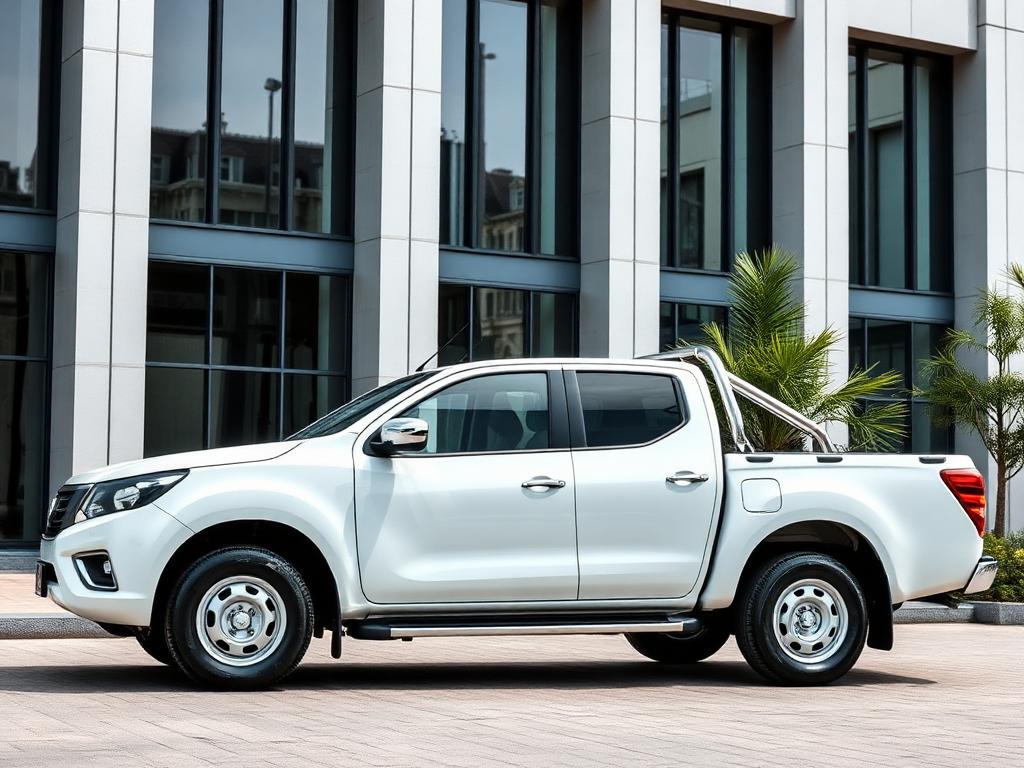
Commercial vehicles are tools, and the cost of specifying the wrong one is measured in downtime rather than dollars saved at purchase.
Specify to the job, not the brochure
Start with the load, the distance, the terrain and the hours. Everything else, including brand preference, should follow from those four inputs.
The most expensive commercial purchases we review are vehicles chosen on price that could not do the work without a second vehicle alongside them.
Payload and GVM realities
Published payload figures assume a bare vehicle. Once a canopy, racking, tools, fuel and two crew are aboard, many utes and vans are legally overloaded.
Calculate the loaded weight before ordering. A GVM upgrade specified at build is far cheaper and cleaner than one retrofitted later.
Fit-out and compliance
Racking, signage, safety equipment, telematics and tow bars should be quoted and scheduled alongside the vehicle so it arrives ready to work.
Coordinating fit-out with delivery routinely saves weeks of a vehicle sitting idle while a second supplier is booked.
Lead times and volume leverage
Commercial supply moves independently of passenger stock. Some models are readily available while others carry long factory queues.
Committing to a multi-vehicle program, even staged across a year, materially changes the pricing conversation with manufacturers and dealers.