
An EV suits some households extremely well and others poorly. The deciding factors are practical rather than ideological.
Range, and how to read it honestly
Quoted range figures are laboratory results. Real world consumption depends on speed, climate control, terrain, load and whether the driving is urban or highway, with highway use typically the least efficient.
A useful rule is to plan around roughly seventy to eighty percent of the quoted figure for mixed driving, and less again when towing or travelling long distances at highway speed.
Charging determines the experience
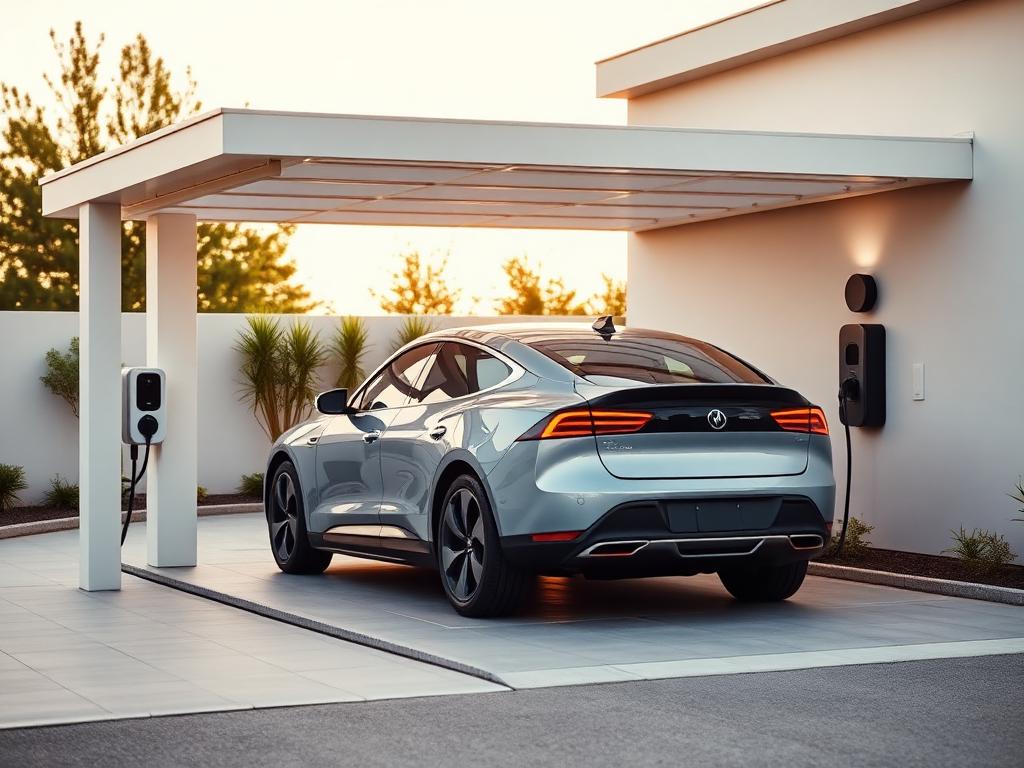
Home charging is what makes EV ownership genuinely convenient. A dedicated wall charger and off peak or solar electricity produces the lowest running costs by a wide margin.
Without reliable home or workplace charging, the calculation changes considerably. Public fast charging is materially more expensive and requires planning around your week.
Running costs and incentives
Energy cost per kilometre is typically a fraction of petrol, and servicing is simpler with fewer wearing components. Tyres wear faster due to weight and torque, and insurance can be higher.
State incentives, stamp duty treatment and fringe benefits tax concessions for eligible vehicles change periodically, and are worth confirming with your accountant at the time of purchase rather than relying on older advice.
Resale and battery confidence
EV resale has been volatile as new models arrive and pricing shifts. Battery warranty terms, typically eight years with a stated capacity threshold, and their transferability to a second owner are increasingly what buyers assess.
For most households the honest answer is that an EV is an excellent second car and a very good only car where home charging exists and long distance towing is not a regular requirement.