
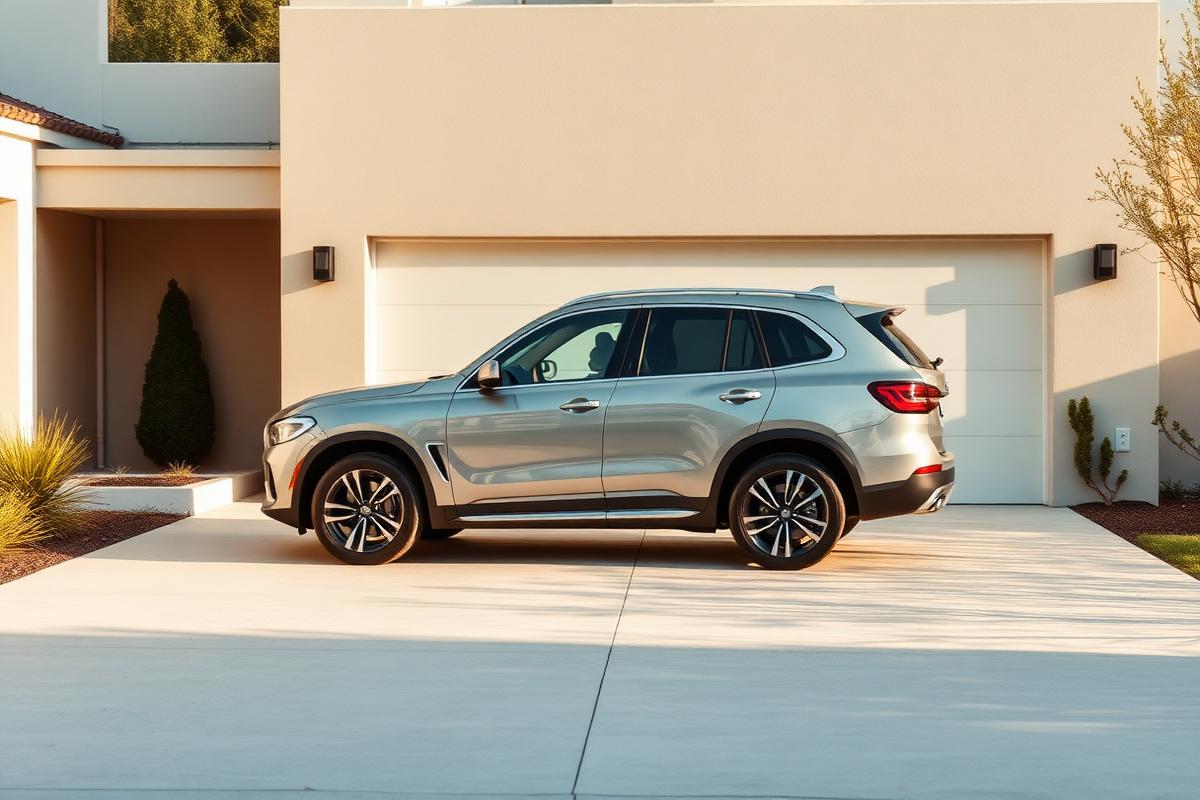
SUV is a body shape, not a category. Choosing well starts with narrowing which kind of SUV you actually need.
Start with the segment, not the badge
Small SUVs suit urban driving and tight parking, and are usually the sensible choice for one or two occupants despite being the least considered option.
Medium SUVs remain the volume segment for good reason: they accommodate a family of four comfortably, park easily and run efficiently. Large and seven seat SUVs solve genuine space problems but bring higher running costs and greater difficulty in a suburban car park.
The seven seat reality
Many seven seat SUVs are honest six seaters with an occasional row behind. If the third row will be used daily, prioritise legroom, third row air conditioning, and whether boot space survives with all seats raised.
If it is used monthly, a well packaged five seat SUV with a larger boot is usually the better car for the other twenty nine days.
Running costs and safety
Fuel, servicing, tyres and insurance can differ by thousands annually across models with similar purchase prices. Hybrid drivetrains have narrowed that gap considerably in urban use.
Check the ANCAP rating and, importantly, the date it was awarded. Standards tighten, and an older five star result is not equivalent to a current one.
Resale, and the shortlist approach
Colour, drivetrain and specification affect SUV resale considerably. Conservative exterior colours and popular drivetrains consistently sell faster and stronger.
Rather than choosing a model first, define seats, boot capacity, towing requirement, annual kilometres and parking constraints. The shortlist that emerges is usually shorter and better than the one you started with.